A New Jersey license plate lookup turns a tag number into a vehicle record. The tag itself is public, and any driver can read the characters on a parked car. The record behind it holds the VIN, the title history, and the mileage trail. Insurance buyers, used-car shoppers, and fleet owners run these checks before money changes hands.
A plate lookup in New Jersey works through the 17-character VIN rather than the tag alone. The Motor Vehicle Commission keeps registration files, and the tag links to a VIN in that file. Private data providers then match that VIN to a title report, an odometer log, and a recall list. The result helps a buyer spot a salvage brand, a rolled-back odometer, or an open safety recall.
How to Look Up a New Jersey License Plate
A lookup takes a few minutes and needs only the characters on the tag. A driver reads the plate, picks a service, and waits for a report. The MVC does not run a public tag search, so most drivers use a data provider that pulls from state and federal records.
Running a Plate Lookup
A lookup follows a short path from the tag to the report. Each step below takes a minute or less, and the whole run usually finishes in one sitting. A driver needs the plate number and, for some services, the state and the vehicle type.
- Write down the full plate number, including the letters and the hyphen
- Note the state printed on the tag, since each office keeps only its own file
- Pick a provider that states NMVTIS as a data source
- Enter the plate number and the state, then pay any fee
- Read the report and match the VIN against the car in front of you
- Check the title brand, the odometer entries, and the open recalls
What You Need Before You Start
A few details speed up the search. The plate number must match the state on the tag, and a mistyped letter returns an empty result. The VIN on the dashboard or the door jamb confirms the match once the report loads. A report that lists a different VIN than the car in front of the buyer points to a swapped plate or a mismatched title, and a seller who refuses to share the VIN or the title raises a flag before the lookup even starts.
- NJMVC Registration Records:
- https://www.nj.gov/mvc/vehicles/regrecords.htm
What a Plate Lookup Can Show
A paid report pulls a wide set of records into one file. The depth depends on the provider and on how far back the state keeps its logs. New Jersey entries often stretch back several decades, which gives a buyer a long view of the vehicle.
Vehicle History and Title Brands
The title section lists the states that issued a title and the brands attached to each one. A salvage brand means an insurer wrote the car off after a wreck. A flood brand points to water damage, and a lemon brand marks a buyback under a state warranty law. A rebuilt title follows a repair that a state inspector approved, and a clean title carries no brand at all.
Odometer and Inspection Records
Mileage entries come from inspection stations, title transfers, and service shops. A drop in the reading points to a rolled-back odometer. A steady climb across the years tells a cleaner story. New Jersey ties inspection records to the VIN, so the entries line up with the plate on the car.
Theft and Recall Checks
The report lists active theft records and open manufacturer recalls as well. A stolen vehicle shows up as a flagged record, and a recall notice names the exact part. A buyer can use the VIN on the manufacturer site to confirm whether a repair has been done.
Lien and Loan Records
A lien entry marks a loan tied to the vehicle. A lender holds the title until the balance clears, and the record shows up in the report. A buyer who pays cash for a car with an open lien can lose the money and the car, so the entry deserves a close read. A lien release letter from the lender closes the gap before a sale.
Accident and Damage Entries
Some reports list accident entries pulled from insurance claims and police files. A minor fender scrape and a frame-bending wreck can appear the same way, so the entry needs context. A repair invoice and a photo of the damage fill in the picture, and a brand on the title carries more weight than a claim entry alone.
Check vs Lookup vs Owner Search
Drivers use three terms for the same task, and each one points to a different kind of result. The chart below sorts them so a buyer picks the right service and avoids a wasted fee. A free “check” often just confirms that a serial exists, and a full lookup adds the title and mileage trail. An owner search sits behind a legal wall and stays out of reach for a private buyer.
| Feature | Plate Check | Plate Lookup | Owner Search |
|---|---|---|---|
| What you enter | Plate number | Plate number and state | Plate number and state |
| What comes back | Basic match | Full history report | Registered owner name |
| Public availability | Yes | Yes, with a fee | No, restricted |
| Typical price | Free to $5 | $10 to $40 | Not sold to the public |
| Main use | Confirm a tag exists | Buy a used car, check a trade-in | Legal, insurance, or law enforcement |
| Legal limit | None | None | Federal privacy law applies |
What Stays Private by Law
Federal law sets a hard limit on owner data. The Driver’s Privacy Protection Act blocks the release of a name, an address, or a phone number tied to a plate or a VIN. A private buyer cannot buy that data, and a site that claims to sell it is offering something else.
Who Can Request Owner Data
A short list of parties can pull the record with a legal reason. The federal privacy rule covers a bank, an insurer, a lawyer, a court, and a towing firm with a valid claim. A private driver outside that list cannot buy the name of an owner.
- Law enforcement agencies
- Insurance companies handling a claim
- Licensed private investigators with a permitted purpose
- Courts and government agencies
- Towing and impound firms under state rules
- A person with the written consent of the vehicle owner
Why the Rule Exists
The rule grew out of safety concerns after a stalker used state records to find a target. Every state now limits the release of personal data tied to a plate. A public lookup in New Jersey returns vehicle facts rather than personal details.
What Happens If a Site Sells Owner Data
A site that offers an owner name for a small fee is selling something other than a state record. The data may come from a public web page, a marketing list, or an old breach. Federal law blocks the release of a name tied to a plate, and a site that claims otherwise carries legal risk. A buyer who pays for that data often gets an outdated address or a wrong name.
How New Jersey Shares Plate Data
The state keeps its own registration file, and a set of national systems pulls from it. A driver benefits from knowing where the data comes from, since it explains why one report shows more than another. The federal database gathers entries from state agencies, salvage yards, and insurers. A provider that names its sources gives a buyer a clearer picture.
State and Federal Sources
New Jersey feeds title and registration data into the National Motor Vehicle Title Information System. That federal database collects entries from state motor vehicle agencies, junkyards, salvage yards, and insurance carriers. A data provider that states NMVTIS as a source taps into that pool.
Coverage Windows
Most providers cover vehicles from 1981 onward, and a few reach further back. A car built before that window may show a thin report. New Jersey inspection records add mileage entries across the years, which fills in part of the gap, and a seller with a full folder of service records can cover the rest.
How to Read a New Jersey Plate Number
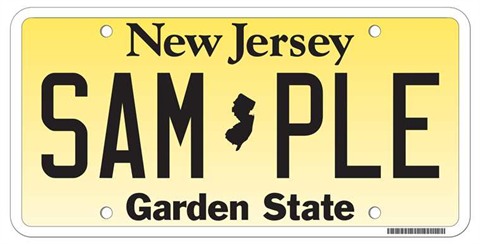
The serial follows a fixed pattern that a lookup service expects. A driver who types the wrong format gets an empty result, so a quick read of the layout saves time. The current layout uses a letter, two digits, a hyphen, and three letters. An older tag may use a different layout, and all of them stay legal.
The A12-BCD Format
The New Jersey License Plate moved to the A12-BCD layout in July 2010. The first character is a letter, then two digits, a hyphen, and three more letters. The letter at the front advances before the trailing letters change. An older tag may use ABC1234 or 123-ABC, and both stay legal as long as the registration never lapsed.
Letters That Never Appear
Three letters are left out of every serial. The MVC skips I, O, and Q so they cannot be confused with the numbers 1 and 0. A plate that appears to hold an O is usually a zero, and a Q points to a historic tag.
Buying a Used Car in New Jersey
A plate lookup fits into a wider set of steps before a private sale closes. The report is one piece of the puzzle, and a few extra checks round out the picture. A buyer who matches the VIN, reads the title, and books an inspection covers the main risks. The list below turns those checks into a simple routine.
Checks Before You Pay
A buyer covers a short list before handing over money. Each check below answers one risk in the deal, from a hidden lien to an odometer that does not match the title. A report that clears the list gives the buyer room to negotiate.
- Match the VIN on the title against the VIN on the dashboard
- Confirm the seller’s name appears on the title
- Ask for the current registration and a photo ID
- Run the plate through a lookup service with NMVTIS data
- Take the car to a mechanic for an independent inspection
- Check for open recalls on the manufacturer site
- Confirm the odometer reading matches the report
- Ask for a lien release if a lender holds the title
Red Flags in a Report
A salvage or flood brand on a late-model car signals a repair that may hide structural damage. A gap of several years in the mileage log points to a period with no inspections. A title issued in another state right after a wreck raises a question the seller needs to answer.
Paperwork to Keep After the Sale
The buyer keeps the signed title, the bill of sale, the odometer statement, and the current registration. A copy of the plate lookup report belongs in the same folder. Those papers help at the MVC counter, on the return license plates step after a sale, and at resale time.
Plate Lookup for Insurance and Claims
Insurers run a plate or a VIN before they write a policy. The check helps them price the risk and spot a car with a hidden past. A driver can use the same reports to protect a claim. A folder with the title, the registration, and the repair invoices proves the condition of the car before an event.
Why Insurers Run a Plate
An insurer matches the VIN to the title brand and the repair history. A salvage brand or a flood entry changes the premium or the coverage terms. A car that spent years off the road may need an inspection before a policy takes effect.
What a Driver Should Keep
A driver who files a claim benefits from a folder with the title, the registration, the repair invoices, and the photos. That stack answers a question about the state of the car before a crash, and the MVC can supply a duplicate card for a small charge.
Plate Lookup for Fleets and Dealers
A dealer or a fleet manager runs many plates a month. A subscription plan cuts the cost per report and keeps the records in one place. The same rules on owner data still apply, and a business that pulls a record must use it for a permitted purpose. A written policy and a locked account protect both the business and the buyer.
Running Many Plates
A bulk tool accepts a list of VINs or plates and returns a set of reports. A dealer uses it during trade-in appraisals, and a fleet uses it at auction. The reports land in one dashboard, which makes a comparison easy.
Record Keeping Rules
A business that pulls vehicle records must keep them secure and use them only for a permitted purpose. A leak can lead to a federal penalty. A firm rule on who may pull a file and a secured account shield the company and the customer alike.
How to Spot a Cloned Plate
A cloned tag copies a real plate from another car of the same make, model, and color. The owner of the real plate then collects tickets, tolls, and camera notices for a vehicle that never left the driveway. A plate lookup helps an innocent driver clear the record.
What a Cloned Tag Looks Like
A clone often uses a serial from a car registered in the same state, which makes the match look clean on a basic check. Small details give it away. The characters sit slightly off center, the font looks a touch wide, or the reflective surface lacks the state sheen.
What to Do If You Find One
A driver who receives a ticket for a trip they never took files a police report and sends a copy to the MVC. The MVC flags the serial and issues a fresh plate for the real owner. The lookup report proves the car was elsewhere at the time.
Plate Lookup for a Trade-In or Sale
A seller can run the same report a buyer would run, and a clean file supports a higher asking price. A surprise entry found by the buyer costs more than a small fix caught early. A lien that never got cleared, an old accident entry, or a mileage gap can all surface in the file. Clearing those items first keeps the sale on track.
Checking Your Own Car
A seller orders a report before listing the car. A lender’s release that never went through, a crash entry, or a break in the odometer log can each sit in the file. Clearing a lien release or a title correction first keeps the sale on track.
Pricing the Car Fairly
A clean title and a steady odometer trail support the asking price. A branded title lowers the value, and a buyer who knows that will negotiate hard. A seller who shares the report up front builds trust and shortens the back-and-forth.
Plate Lookup Fees
Most lookup services charge a small fee, and the price tracks the depth of the report. A single plate check costs less than a full history package, and a subscription spreads the cost across many searches for a dealer or a fleet buyer.
| Service | Typical Price |
|---|---|
| Basic plate check | Free to $5 |
| Single vehicle history report | $10 to $25 |
| Full report with title and lien data | $25 to $40 |
| Multi-vehicle subscription | $20 to $60 per month |
| Dealer or fleet plan | Varies by volume |
| Direct MVC record request | Fee set by the state |
Free Options
A free tool often confirms that a serial exists and shows a basic match. The result rarely includes the title brand or the odometer trail. The National Motor Vehicle Title Information System runs a low-cost check through approved providers, and a driver can compare a few services before paying. A provider that hides its data sources deserves a second look.
Paid Report Costs
A paid report adds the title brands, the lien details, and the mileage entries. The price climbs with the number of states covered. A buyer who plans to check several cars can save money with a short subscription rather than a single report.
When a Lookup Comes Back Empty
An empty result does not always mean the plate is fake. A mistyped letter, a missing hyphen, or the wrong state all return nothing, and a tag from a state that does not share data with the provider comes back blank too. A plate on a car that left the road years ago may sit outside the coverage window. A driver who gets an empty result can retype the characters and confirm the state on the tag, and a call to the MVC can confirm whether a serial belongs to an active record. An out-of-state tag needs a search through the state that issued it, since New Jersey keeps only its own registration file. A seller who claims a clean history but offers no VIN or title leaves the buyer without a way to verify the claim, and a refusal to share the VIN ends the conversation.
Plate Lookup Across State Lines
A car that crossed a state line carries records from more than one office. A lookup service stitches those entries into a single file, and the result depends on how far back each state keeps its logs. A New Jersey plate only matches a New Jersey record, so a buyer uses the VIN when the car has moved. Older entries from the prior state stay in the report.
Why the State on the Tag Matters
A serial from the Garden State reaches only the records held in Trenton. A car that moved in from another state may still carry a plate from its old home in an older photo. A buyer uses the VIN rather than the plate when the car has changed states.
Moving a Car Into New Jersey
A new resident visits an MVC office location, switches the title and registration, and turns in the old plates. From that point, the New Jersey file takes over. Entries logged by the earlier state remain in the file, which gives a fuller picture of the car. A seller who bought the car out of state can show both sets of records side by side.
Frequently Asked Questions
Buyers send the same questions about plate lookups every week. The notes below settle the ones that decide a report purchase, from privacy limits to the price of a file. Each one names the limit that applies, from privacy law to the price of a report. A driver who needs a quick answer can start with the top item and work down.
Can I look up a New Jersey plate for free?
A free tool confirms that a serial exists and returns a basic match. The title brands, lien details, and odometer entries usually sit behind a small fee. The National Motor Vehicle Title Information System offers a low-cost check through its approved providers.
Can I find the owner of a car from the plate?
No. The federal rule keeps a name, a street address, and a phone number out of reach for a private buyer. Only law enforcement, insurers, and licensed parties with a legal reason can request that data.
What does a plate lookup show?
A full report lists the VIN, the title history and its brands, the odometer trail, theft records, and open recalls. Some reports add lien details and prior accident entries. The depth depends on the provider and the coverage window.
Is a plate lookup legal in New Jersey?
Yes. The tag sits in public view, and a vehicle history report uses public records. The limit applies to owner data, which stays behind a legal wall rather than the vehicle facts.
Why does my lookup show no results?
A single wrong character, a dropped hyphen, or the wrong state in the box each give an empty page. A serial from a state outside the provider’s network does the same. Retyping the characters and confirming the state on the tag often fixes the problem, and a call to the MVC settles the rest.